
Installing security cameras is one of the most effective ways to protect your property, employees, and family. However, before setting up surveillance equipment, it is important to understand Ontario security camera laws. Whether you operate a business or are securing your home, privacy regulations play a significant role in how cameras can be used.
Understanding both Security Camera Privacy Laws in Ontario for Commercial Establishments and Security Camera Rules in Ontario for Homeowners ensures you stay compliant while maintaining safety.
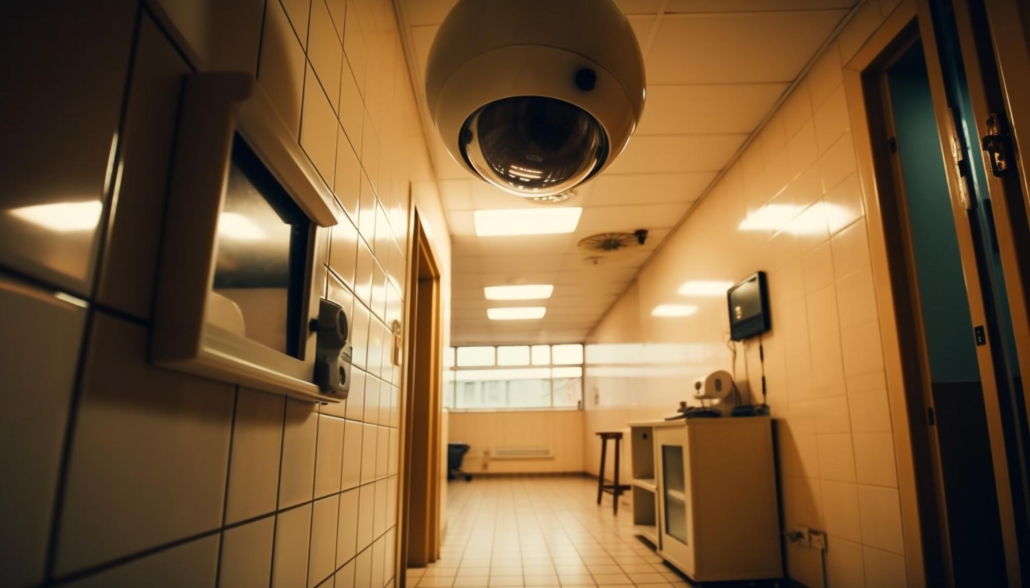
Security Camera Privacy Laws in Ontario for Commercial Establishments
Businesses in Ontario are subject to federal and provincial privacy legislation. For most commercial operations, the Personal Information Protection and Electronic Documents Act governs how personal information, including video footage, is collected, used, and stored.
Under Security Camera Privacy Laws in Ontario for Commercial Establishments, businesses must have a legitimate reason for collecting surveillance footage. Cameras should be installed for clear purposes such as preventing theft, ensuring workplace safety, or protecting property. Surveillance cannot be excessive or used to monitor individuals without justification.
Transparency is also required. Businesses must inform employees and customers that video surveillance is in use. This is typically done through visible signage placed at entrances and monitored areas. The signage should clearly indicate that recording is taking place.
Another key factor is placement. Cameras should not be installed in areas where individuals have a reasonable expectation of privacy, such as washrooms, changing rooms, or private offices. Footage must also be securely stored and only retained for as long as necessary to fulfill its intended purpose.
Failing to comply with these regulations can lead to complaints, fines, and reputational damage.
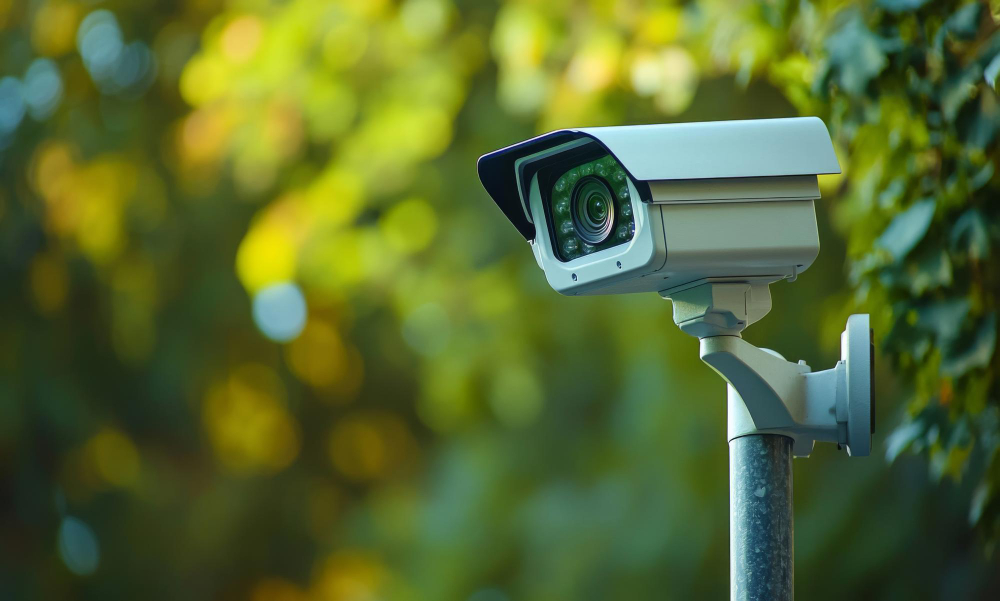
Security Camera Rules in Ontario for Homeowners
Homeowners have more flexibility, but they are still expected to respect privacy boundaries. Under Security Camera Rules in Ontario for Homeowners, cameras should primarily monitor your own property. While it is generally acceptable if a small portion of a neighbor’s property is incidentally captured, deliberately pointing cameras into a neighbor’s yard or windows could create legal issues.
Audio recording is another important consideration. Recording private conversations without consent may violate federal law. Many security systems allow audio recording to be disabled, which is often the safest approach for residential installations.
Proper camera positioning, thoughtful placement, and clear communication with neighbors can help prevent disputes. Even in residential settings, respecting privacy is essential.
Balancing Security and Privacy
Security cameras provide peace of mind, deter criminal activity, and offer valuable evidence if an incident occurs. However, compliance with privacy laws is just as important as the installation itself. Whether you are a business owner protecting your staff or a homeowner safeguarding your family, understanding the legal framework ensures your system works for you, not against you.
Barnes Protection specializes in professional security system installation tailored to Ontario regulations. Their team ensures your surveillance system is strategically placed, compliant, and optimized for maximum protection.