Video Doorbells in Ottawa: What to Look for and Why They’re Worth It
You hear a knock, glance at your phone, and see a stranger standing on your porch before you’ve even gotten off the couch. That’s the entire pitch for a video doorbell in one sentence, but it undersells what these devices have become. In a city like Ottawa, where winters lock people indoors and online shopping means a steady stream of packages showing up at the front door, a video doorbell has gone from a nice-to-have gadget to one of the more practical upgrades a homeowner can make.
This isn’t about paranoia. It’s about knowing what’s happening at your own front door, whether you’re home or not, and having a record of it if something goes wrong.
What a Video Doorbell Actually Does, Beyond the Ring
The name undersells the product. A modern video doorbell is a small camera, microphone, and speaker mounted where your old doorbell used to be, connected to an app on your phone. When someone approaches, motion sensors trigger a recording and send you an alert, wherever you happen to be. You can watch live footage, talk to whoever’s there through two-way audio, and in most cases pull up a recorded clip later if you missed the moment.
Most models today go further than a basic motion trigger. Smarter units distinguish between a person walking up your steps and a car passing on the street, cutting down on the constant pings that make people ignore the app altogether. Some flag a package the moment it’s set down. Others recognize familiar faces and let you know when your kids get home from school. None of it is science fiction anymore. It’s just standard on a decent device.
Why Ottawa Homeowners Specifically Need a Video Doorbell
Ottawa’s a commuter city. A lot of households have everyone out of the house for eight or nine hours a day, which means a lot of front porches sitting unwatched during business hours, which happens to be exactly when most deliveries arrive. Add a growing habit of ordering everything online, from groceries to furniture, and you’ve got packages sitting exposed on doorsteps across neighbourhoods like the Glebe, Westboro, and Barrhaven for hours at a stretch.
Package theft isn’t a rare, freak occurrence. Local news outlets have covered cases where thieves have followed delivery trucks through Ottawa neighbourhoods and lifted parcels within minutes of drop-off, sometimes in broad daylight. A video doorbell doesn’t guarantee a thief won’t grab your parcel, but it gives police something to work with, and the visible presence of a camera alone deters a fair number of opportunists who are looking for an easy, unwatched target.
There’s also the everyday, non-crime reason this matters. You get a clear view of who’s actually at the door before you open it, whether that’s a contractor showing up early, a courier who needs a signature, or someone you’d rather not deal with at all.
What Ottawa’s Climate Changes About Your Decision
This is where a lot of homeowners get caught out. A video doorbell built for a mild climate doesn’t necessarily hold up through an Ottawa winter. Temperatures that dip well below minus 20 with the windchill will drain battery-powered units fast, sometimes leaving you with a doorbell that’s effectively dead right when you’d want it working most, during the dark months when visibility outside is already poor.
Cold also affects the hardware itself. Cheap plastic housings can crack, lenses can fog with condensation as temperatures swing, and snow or ice buildup can block the camera’s view entirely if it’s not angled or sheltered properly. Summers bring their own issues too, with humidity and the occasional heavy storm putting weatherproofing to the test.
If you’re shopping in Ottawa, look for a device rated for genuinely cold operation, not just “weather resistant” marketing language, and think seriously about a hardwired model over a battery one. Hardwired units draw power continuously, so cold weather doesn’t leave you checking battery levels every other week in January.
What to Look for When Choosing a Video Doorbell
A few things matter more than the rest once you get past the marketing copy:
- Video quality and field of view. You want a wide-angle lens that captures the whole porch area, not just a narrow strip directly in front of the camera, along with resolution sharp enough to make out a face or a licence plate if it comes to that.
- Storage. Some doorbells store footage locally on a memory card, others push everything to the cloud with a monthly subscription. Local storage saves you a recurring fee but means you’ll lose footage if the device itself is damaged or stolen. Cloud storage costs more over time but keeps your clips safe off-site.
- Power source. As covered above, hardwired is generally the better call for Ottawa’s climate, though a battery model with a strong cold-weather rating can still work fine if you keep on top of charging.
- Smart detection. Person detection and package detection cut down on false alerts dramatically compared to basic motion sensing.
- Night vision. With Ottawa’s short winter days, your doorbell will be working in the dark more than in daylight for a good chunk of the year, so this isn’t optional.
How a Video Doorbell Integrates With a Home Security System
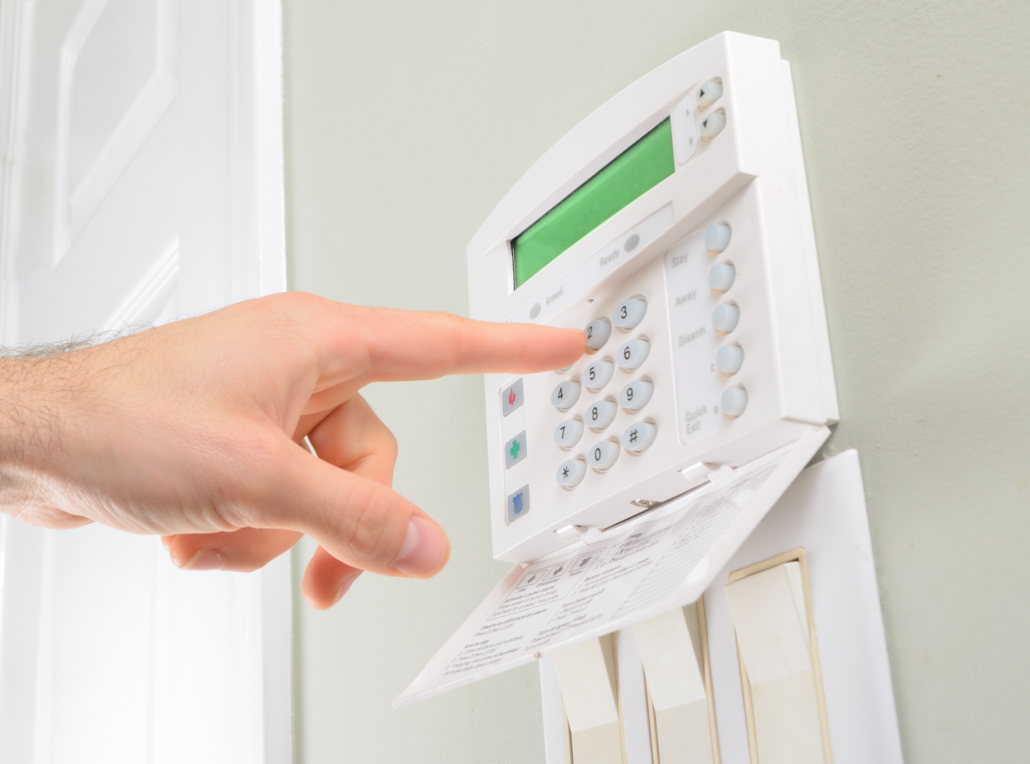
A video doorbell on its own is useful. A video doorbell tied into a full security system is a different level of protection entirely. When it’s connected to a monitored alarm system, an unusual event at your front door doesn’t just send a notification to your phone, it becomes part of a coordinated response, alongside door and window sensors, interior cameras, and 24-hour monitoring that can flag a real emergency and get help moving.
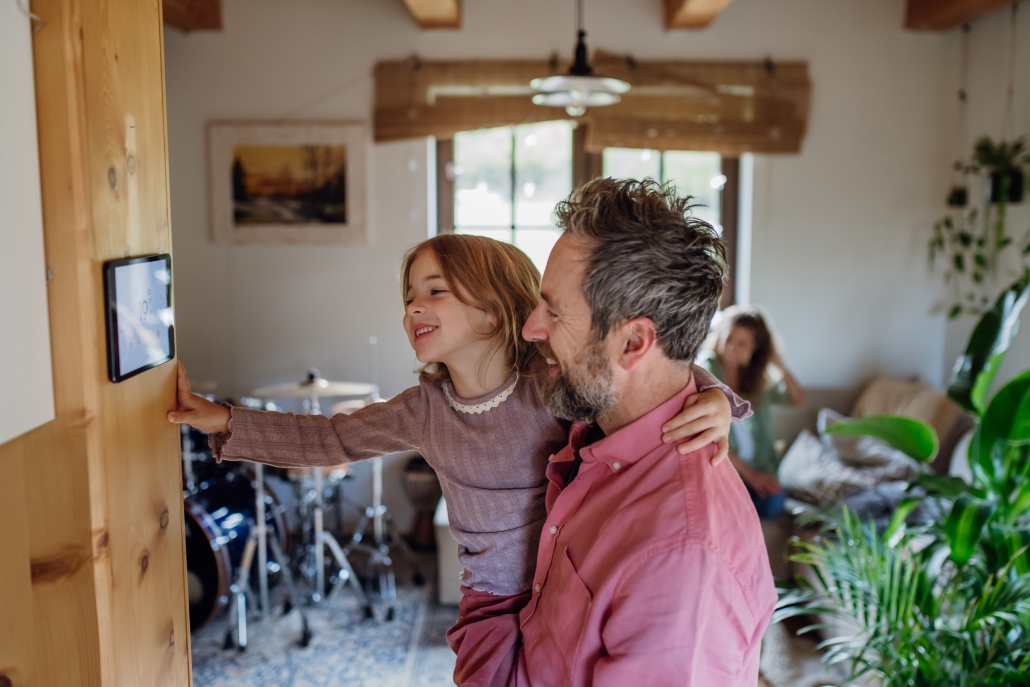
This matters more than people realize. A standalone doorbell app is only as good as your attention to your phone. A monitored system watches around the clock, correlates events across your whole property, and doesn’t depend on you happening to glance at a notification at the right moment. It also opens the door to home automation, letting your doorbell trigger porch lights, lock the door remotely, or feed footage directly to a professional monitoring centre if something looks wrong.
Professional vs. DIY Installation, What Ottawa Homeowners Should Know
Plenty of video doorbells are sold as simple DIY projects, and for some homes, that’s a fair claim. If you’ve already got a wired doorbell with compatible voltage, swapping it for a smart model can be a reasonably quick job.
Ottawa’s older housing stock complicates that in a lot of cases. Brick and stone exteriors, common through neighbourhoods built decades ago, make mounting and wiring more involved than the instruction booklet suggests. Transformers in older homes often don’t supply the voltage newer smart doorbells need, which means an upgrade or a separate power solution before the doorbell will even work properly. And if you want the doorbell woven into a broader monitored security system rather than running as an isolated app on your phone, that’s not really a DIY job at all.
Professional installation solves these problems in one visit. A technician checks your home’s wiring, confirms the doorbell is mounted with a clear, useful field of view, and makes sure it’s properly integrated with the rest of your security setup rather than operating as a disconnected gadget.
Making the Call
A video doorbell is a small piece of hardware that does a genuinely useful job: it lets you see your front door from anywhere, keeps a record of who came and went, and adds a real layer of deterrence against the kind of opportunistic theft that’s become common with the rise of home delivery. In Ottawa, the climate and the housing stock both push toward a properly installed, cold-rated, hardwired system tied into full home monitoring, rather than a battery-powered unit picked up off a shelf and stuck on with a couple of screws.
Barnes Protection Services has been installing and monitoring home security systems across Ottawa, Perth, Carleton Place, and Westport for more than 30 years, and video doorbells are a natural extension of that work. If you’re weighing your options, a proper consultation beats guessing at specs online.
BARNES PROTECTION SERVICES
Phone: (613) 726-6349
Main Office: 118 Rocky Ridge Lane, Westport, ON K0G 1X0
West End Office: 800 Torsa Crt, Ottawa, ON K2B 8P8
Website: barnesprotection.ca
Serving: Ottawa, Perth, Carleton Place, Westport, and surrounding areas
BBB Accredited Business (A rating) • Authorized Alarm.com Dealer • Over 30 years serving the Ottawa region