
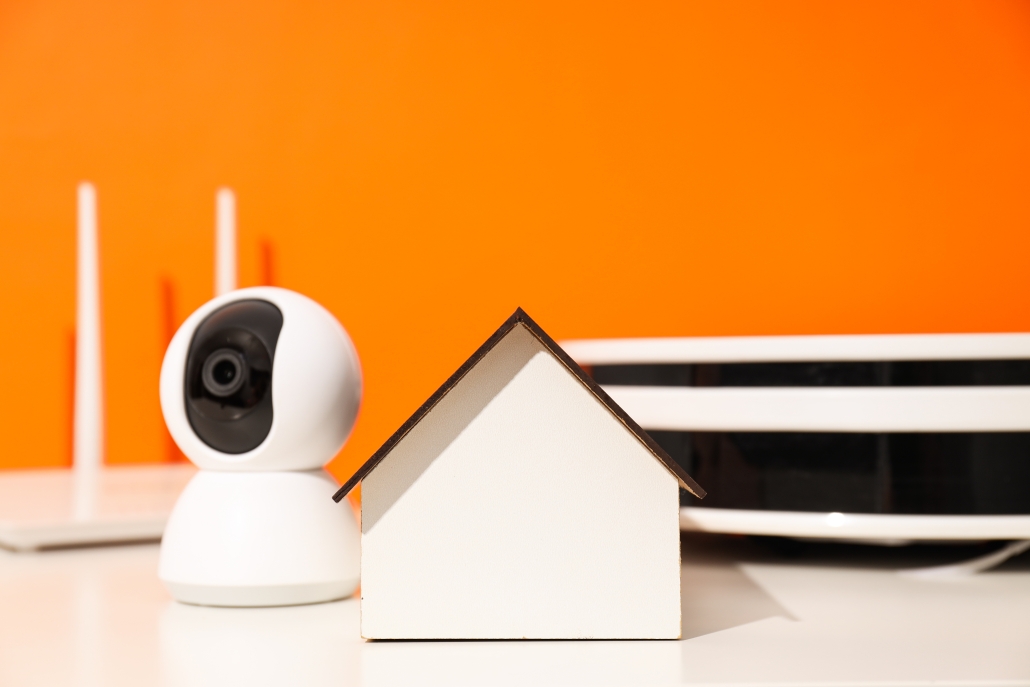
New Home in Ottawa? Your First 30 Days Home Security Checklist
You’ve got the keys. The moving truck is gone, boxes are everywhere, and somewhere in the chaos you’re probably wondering who else might still have a set of keys to your new place. It’s not paranoia, it’s a fair question. Previous owners, old tenants, contractors, a neighbor who used to feed the cat. You have no idea how many copies are out there, and that’s exactly why the first month in a new Ottawa home matters so much.
Most people either try to do everything on move-in day and burn out, or forget about security entirely until something goes wrong. Neither works well. What actually works is spacing things out over 30 days: handle the urgent stuff immediately, then build toward a fully monitored home security system by month’s end. Here’s how.
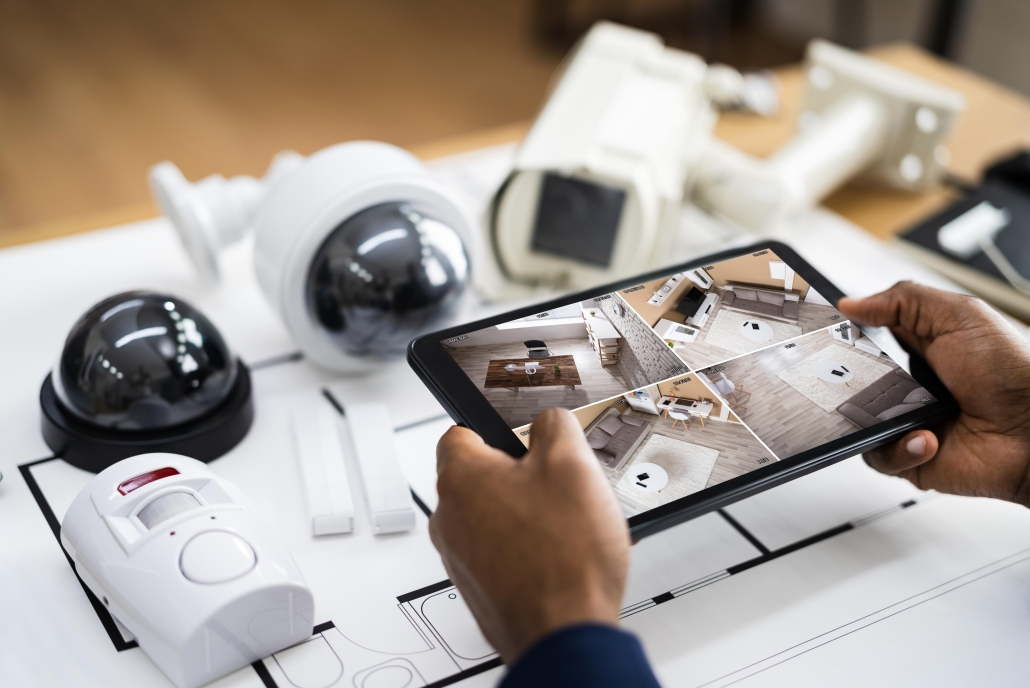
Why the First 30 Days Are Different: The New Home Security Reality
A new house isn’t a blank slate. It comes with someone else’s history, someone else’s habits, and often someone else’s access. Locks that never got rekeyed. A garage code nobody bothered to change. A wifi password taped inside a cupboard the last owner forgot about. None of this is unusual, and none of it means anything sinister happened before you moved in. It just means the home’s security still belongs to whoever lived there last, until you actively change that.
Ottawa adds its own wrinkles. Winters bring darkness by late afternoon, which criminals notice as much as anyone, and older neighborhoods often have detached garages, side entrances, and mature landscaping that can hide someone approaching a door. Newer builds out in Barrhaven or Kanata bring different issues: smart devices left on default settings, builder-grade locks, construction crews who might still have keys months after closing. Your first 30 days is the window to take control of all of it.
Day 1: The Non-Negotiables Before You Sleep in the House
A handful of things need to happen before your first night in the new place. Full stop.
- Rekey or replace every exterior lock. This is the single most important item on this list. You have no way of knowing how many keys exist, so don’t try to track them down, just make the old ones useless.
- Change the garage door code and any keypad entry codes right away. Builders, realtors, and previous owners often leave these unchanged for years.
- Locate and test every window lock on the ground floor and any windows reachable from a deck, porch roof, or fence line.
- Reset the wifi router to a new name and password if one came with the house, and change the admin login too. Default router credentials are a real vulnerability, not a theoretical one.
- Walk the exterior after dark and note which entry points are poorly lit. Save that list for next week.
None of this requires professional help, just a locksmith or a Saturday afternoon with a screwdriver, and it should happen before the boxes are even unpacked.
Days 2-7: First Week Priorities
With locks and codes handled, week one is about closing the gaps you spotted on that dark walk around the house.
- Install basic exterior lighting on any dark entry points. Motion-sensor fixtures are cheap and go a long way toward deterring anyone casing the property.
- Introduce yourself to neighbors on both sides. In Ottawa’s tighter-knit communities especially, a neighbor who knows your car and your routine is one of the best early warning systems there is, and it costs nothing.
- Photograph serial numbers and video your valuables for insurance, ideally before everything is fully unpacked and harder to track down.
- Check smoke and carbon monoxide detectors throughout the house and swap batteries regardless of what the previous owner claims about their condition.
- Confirm your home insurance is active and ask whether a monitored alarm system qualifies you for a premium discount. Many do.
This week leans less on big investments and more on awareness. You’re learning the house, its quirks, its weak points, fixing the easy stuff as you find it.
Days 8-14: Installing Professional Security
By week two, you should have a real feel for the property, which makes this the right time to bring in a professional to assess it properly. A trained eye catches things most homeowners miss: a side door with poor sightlines from the street, a basement window that’s easier to access than it looks, a garage entry that leads straight into the house with no interior lock at all.
This is also when a monitored alarm system earns its keep. A system that only makes noise when triggered is better than nothing, but professional monitoring means someone’s actually watching while you’re at work, asleep, or away at a cottage for the weekend. Look for 24 hour local monitoring rather than a call centre out of province, since local stations know the area, respond faster to false patterns, and coordinate more efficiently with Ottawa police and fire.
- Book a free security consultation with a local provider who can walk the property with you and recommend coverage based on your actual layout, not a generic package.
- Prioritize entry point sensors on every ground floor door and window before adding cameras. Detection matters more than footage as your first line of defence.
- Ask about environmental monitoring too. Water leaks and temperature drops can cause as much damage as a break-in, and Ottawa winters make frozen pipes a real risk in an unmonitored, empty house.
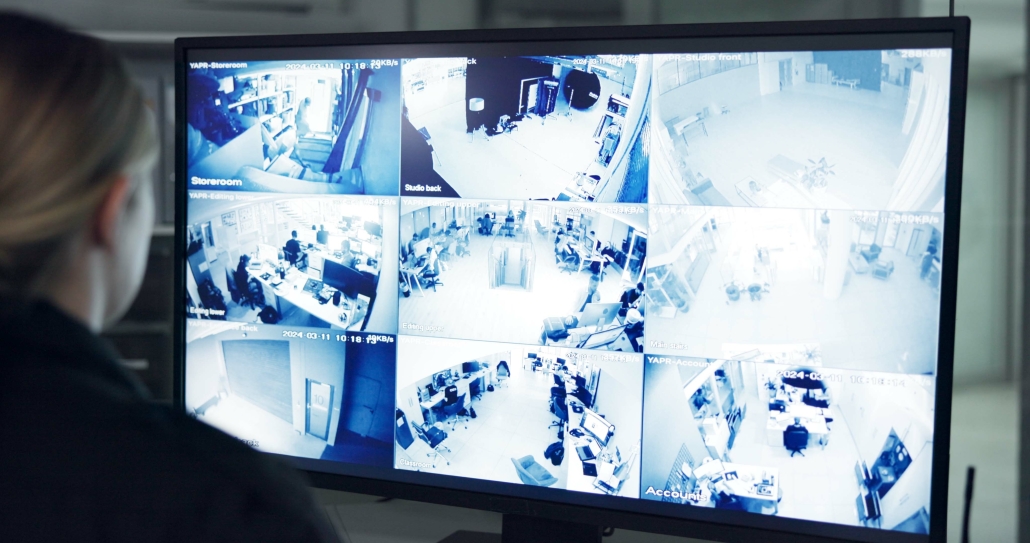
Days 15-21: Smart Home Security Integration
With the core system in place, week three is about making it work for how you actually live. Smart home integration turns a basic alarm into something you interact with daily, and a system people actually use is a system that stays on.
- Add smartphone control so you can arm, disarm, and check the system remotely. This matters more than people expect. It’s easy to leave for work and second-guess whether you set the alarm.
- Install a video doorbell if you don’t already have one. It’s one of the highest-value additions for the cost, letting you see and speak to whoever’s at the door whether you’re home or not.
- Set up geo-fencing if your system supports it, so the alarm disarms automatically as you pull into the driveway and the thermostat adjusts without you touching anything.
- Configure email or text alerts for specific events, like a door opening at an unusual hour, or the kids getting home from school before you do.
None of this replaces good habits, but it removes the friction that causes people to stop using their system properly after a few months.
Days 22-30: Testing, Finalizing, and Building Good Habits
The last stretch is about proving the system actually works, not just assuming it does.
- Put the system on test with your monitoring provider and walk through every sensor to confirm signals reach the station correctly.
- Review who has access codes and remove anyone who shouldn’t still have one, including movers or contractors given a temporary code.
- Set a household rule for arming the system every time the house is empty, even for a quick errand. Most break-ins happen during short absences, not long vacations.
- Save the monitoring station’s test number and your account password somewhere accessible, and make sure every adult in the household knows how to use the system, not just whoever set it up.
- Do a final walk of the property in daylight and again after dark, checking that all the day-one fixes are still holding and nothing shifted during the move-in chaos.
By day 30, security should feel like part of the house rather than a project you’re still working through. That’s the real goal: a system that’s tested, understood, and built into how your household actually operates, not one sitting unused in a drawer.
Conclusion
Thirty days sounds like a long runway, and it is, but it goes fast once the unpacking starts and daily life takes back over. The families who get security right in a new home aren’t the ones who panic and do everything on day one, and they aren’t the ones who put it off for six months either. They work through it in stages: rekey the locks immediately, tighten the obvious gaps in week one, bring in professional monitoring once they understand the property, then layer in the smart features that make the system something they’ll actually use.
If you’re settling into a new home anywhere in the Ottawa area, Barnes Protection Services has spent over three decades helping families move through exactly this process, with local monitoring, real installers, and a team that answers the phone when you call.

