
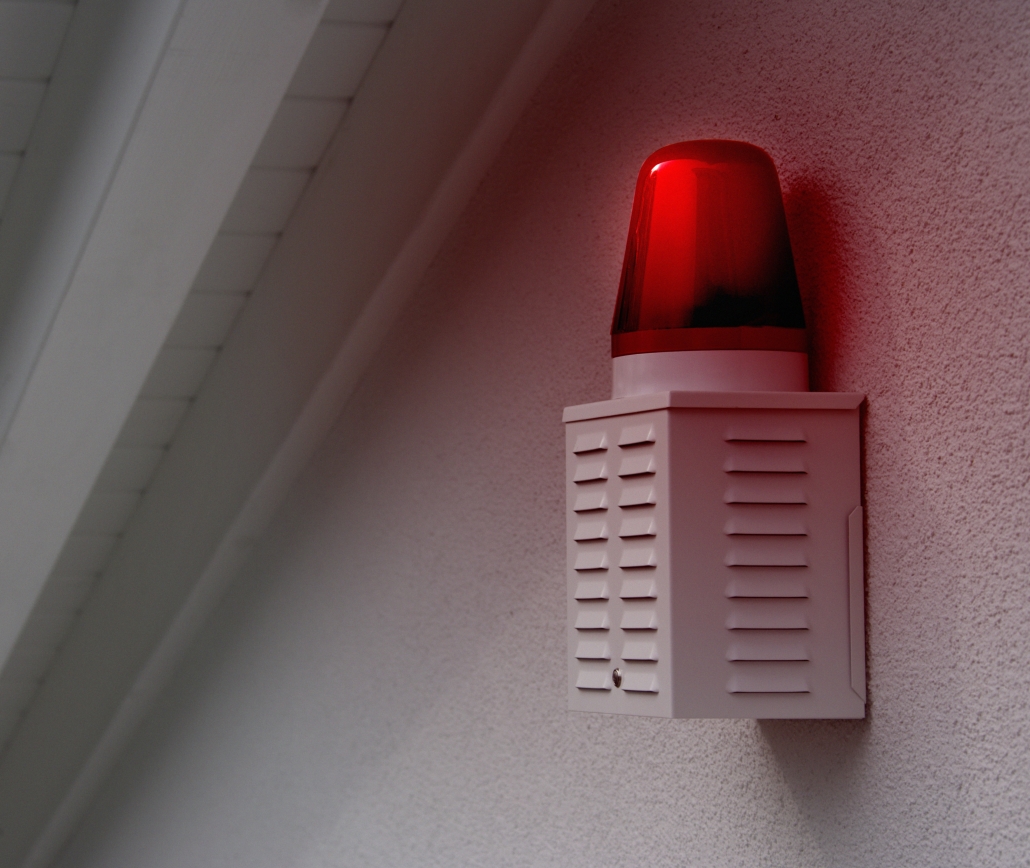
What to Do If Your Home Alarm Goes Off in Ottawa: A Step-by-Step Guide
Your phone buzzes at work. Or you pull into the driveway and hear the siren from the street. Or it’s 3 a.m. and the keypad is screaming. Your heart rate jumps, and your first instinct is to rush in and find out what’s going on.
Don’t. Most alarm activations turn out to be false, but you can’t know that in the moment. Here’s how to handle it safely, from the first second to the follow-up call.
The Steps
Step 1: Stay Calm and Don’t Rush In
If you’re outside the house, stay there. An intruder could still be inside, and walking in on one is the worst outcome. Stay in your car or move to a neighbour’s place where you can see the house.
If you’re inside and woke to the alarm, stay in your room, lock the door if you can, and keep your phone with you. Your job right now is to stay safe.
Step 2: Your Monitoring Station Will Contact You: Answer Promptly
With a monitored system, the station usually calls within moments of the alarm. They’ll ask for your passcode to confirm who you are. Pick up, even if the number looks unfamiliar, and keep your passcode somewhere you’ll remember it under stress.
If they can’t reach you, they’ll try your other contacts and may dispatch police. Make sure your contact list is current. A disconnected number or an ex-roommate on the list slows everything down.
Step 3: Assess the Situation Safely
From a safe spot, look for clues. Broken glass, an open door, or a strange car in the driveway are red flags. Check your app for which sensor tripped and, if you have cameras, look at the live feed.
A motion sensor in a room with a cat is different from a back door contact at 2 a.m. Use what you see to decide, but if anything looks wrong, treat it as real.
Step 4: Cancelling a False Alarm: The Right Way
If you’re sure it’s false (the dog, a balloon, a door that didn’t latch), disarm the system and then confirm with your monitoring station using your passcode. Disarming alone isn’t always enough. The station needs to hear from you so they can cancel any dispatch.
This matters in Ottawa. Under the Ottawa Police Services Board’s False Alarm By-law, a false alarm that brings police out can lead to a fee charged to the homeowner, the alarm company, or both, and unpaid fees can land on your property tax bill.
Step 5: If It’s a Real Break-In: The Protocol
Get away from the house and call 911. Tell the operator your address, that your alarm went off, and what you’ve seen. Don’t go back inside until police tell you it’s clear.
Don’t touch anything once you do go in. Police may want to look for fingerprints or other evidence. Take photos of the damage before you start cleaning up.
Step 6: After the Alarm Event: What to Do Next
For a break-in, get a police report number and call your insurance company quickly. Make a list of anything missing. Then call your security company to repair damaged sensors and review what happened.
For a false alarm, find the cause and fix it. Adjust pet-sensitive motion sensors, replace a weak battery, or repair a loose door contact. Repeat false alarms cost money and train neighbours to ignore your siren.
The Role of Professional Monitoring: Why It Changes Everything
An unmonitored alarm just makes noise. If you’re at work or out of town, nobody acts on it. Neighbours rarely call police for a siren anymore.
A monitored system means a trained operator is watching around the clock. They verify the alarm, call you, contact your backups, and dispatch police, fire, or ambulance when needed. Many monitored systems also cover smoke, carbon monoxide, flooding, and low temperatures, which matters in an Ottawa winter when a failed furnace can freeze pipes fast.
Ottawa’s by-law also requires a registered monitoring company or at least three contacts who can reach your home within 30 minutes if police ask. A professional monitoring plan makes that easy to meet.
Make a Plan Before the Siren Sounds
The worst time to figure out what to do is while the alarm is blaring. Take ten minutes this week. Confirm your passcode, update your contact list, and talk through the plan with everyone in the house, including kids and anyone who looks after your home while you travel.
When the alarm goes off, you’ll know exactly what to do: stay safe, answer the call, and let the professionals take it from there.
