
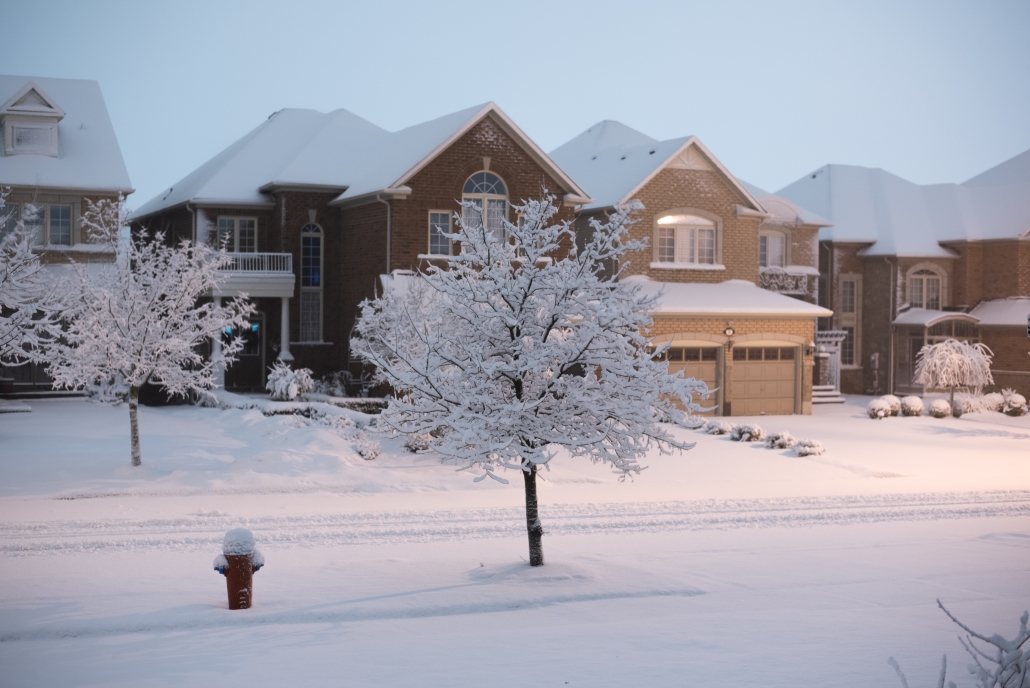
Ottawa Winter Home Security: How Cold Weather Affects Your Alarm System and Cameras
Ottawa winters are hard on everything: cars, roofs, pipes, patience. Your security system is no exception. January here averages a daytime high around minus 5°C and overnight lows near minus 13°C, and a few cold snaps each year push well past minus 25°C.
Most systems handle that fine. But cold, ice, dry indoor air and long power outages each cause specific, predictable problems. Here’s what to watch for, and what to do about it before the next storm hits.
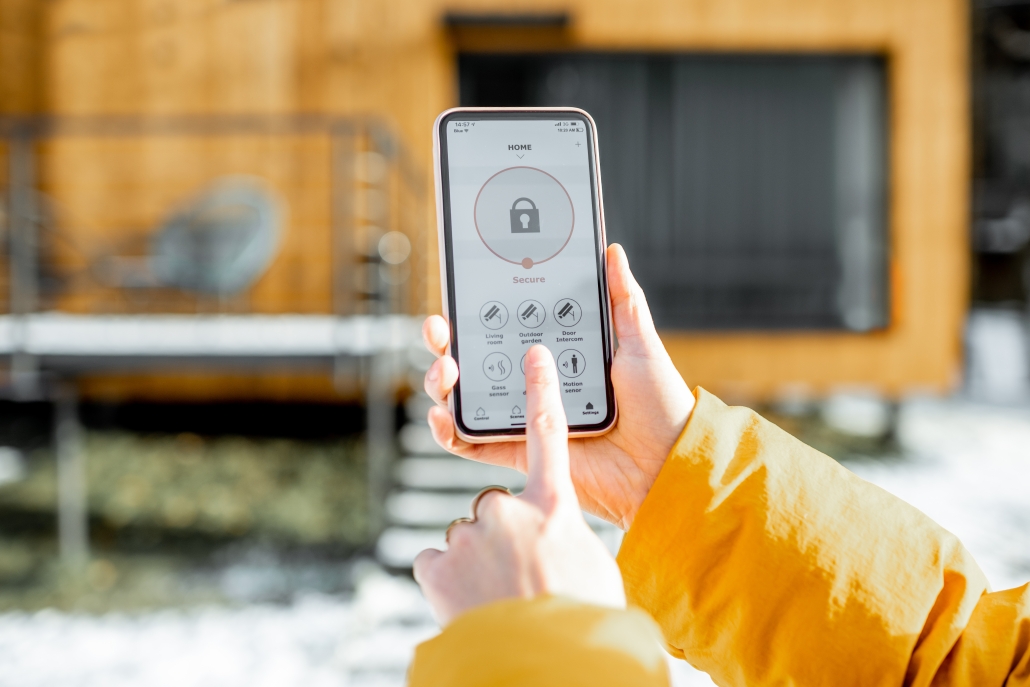
What Cold Weather Actually Does to a Security System
Cold attacks three things. It drains batteries faster. It shifts the physical parts of your house, so doors and windows sit a little differently in February than they did in July. And it puts outdoor electronics like cameras and keypads under real strain, especially when temperatures swing above and below freezing in the same week.
None of this means your system will fail. It means winter exposes small problems (a weak battery, a loose sensor, a camera at the edge of its rating) that summer lets slide.
Door, Window, and Motion Sensors: Why Winter Causes False Alarms
Door and window contacts work by keeping a magnet close to a sensor. In winter, wooden doors and frames shrink in dry indoor air, and frost can shift exterior door frames slightly. A gap that was a few millimetres in summer can grow just enough to read as “open.” Ice building up on a sliding patio door does the same thing.
Motion detectors read changes in heat. A space heater cycling on, a forced-air vent blowing across the room, or holiday decorations moving in that airflow can all trigger one. If your false alarms start every November, that’s the likely culprit. Moving the detector or adjusting its sensitivity usually fixes it.
Batteries and Power Outages: What Keeps Working When It Matters Most
Wireless sensors run on small batteries, and standard alkaline cells lose a good chunk of their capacity in the cold. Sensors on exterior doors, garages and unheated porches feel it first. Lithium cells hold up far better; Energizer rates its Ultimate Lithium AA batteries down to minus 40°C.
Then there’s the bigger risk: power outages. Freezing rain and heavy snow take lines down across the region most winters. Your alarm panel has a backup battery that keeps it running for a set number of hours, but your home Wi-Fi router doesn’t. If your monitoring depends on internet connectivity alone, the system can go quiet exactly when the house is dark. A cellular communicator solves that, because it sends signals to the monitoring station over the mobile network instead.
Security Cameras in Ottawa Winters
Check the operating temperature on your camera’s spec sheet. Many consumer Wi-Fi cameras are only rated to around minus 20°C, which Ottawa beats several times a winter. Commercial-grade cameras are often rated lower, and some include built-in heaters for exactly this reason.
Battery-powered cameras also drain faster in the cold, so you may find yourself recharging weekly instead of monthly. Hardwired cameras avoid the problem entirely. Beyond that, watch for frost and snow on the lens, ice coating the housing, and infrared night vision reflecting off falling snow (which can trigger a flood of motion alerts). A small overhang or hood above the camera helps a lot.
Winter-Specific Security Risks (Beyond Equipment)
Some of the biggest winter risks have nothing to do with hardware.
- Snow that tells a story. An unshovelled driveway or walkway tells anyone passing that nobody’s home. If you travel, arrange for someone to clear it.
- Warm-up theft. Leaving a car running unattended in the driveway to warm up is an easy target. Use a remote starter that keeps the doors locked, or stay with the car.
- Frozen pipes. A furnace failure while you’re away can freeze pipes in a day. A low-temperature sensor alerts you, or your monitoring station, before the damage starts.
- Carbon monoxide. Ontario requires carbon monoxide alarms in homes with fuel-burning appliances or attached garages. Winter, with sealed windows and furnaces running hard, is when they matter most.
- Package theft. Holiday deliveries sit on porches longer when it’s dark by 4:30 p.m.
Pre-Winter and Mid-Winter Checklist
Before the first hard freeze
- Replace sensor batteries on exterior doors, garages and porches, ideally with lithium
- Test the panel’s backup battery and confirm your monitoring has a cellular path
- Check that every door and window contact still lines up properly
- Confirm your outdoor cameras are rated for Ottawa temperatures
- Test smoke, CO and low-temperature sensors with your monitoring station
During the winter
- Brush snow and ice off cameras and outdoor keypads after storms
- Keep snowbanks from blocking camera views of doors and driveways
- Watch for low-battery warnings in your app and act on them quickly
- Run a quick system test after any long power outage
When to Call for a Service Visit
Some fixes are DIY. Others aren’t. Call for service if false alarms keep coming from the same zone after you’ve changed the battery, if a sensor goes offline repeatedly, if your panel loses communication with the monitoring station, or if a camera keeps dropping its connection or freezing up in the cold.
It’s also worth a visit if your system still relies on a landline or internet alone, or if you’re adding environmental sensors before leaving for a long winter trip. A technician can also catch the small things, like a corroded contact or a sagging door, before they turn into a 3 a.m. false alarm.
Get Your System Ready Before the Deep Freeze
Cold weather rarely breaks a well-maintained security system. It just finds the weak spots. Fresh batteries, a cellular backup, cameras rated for the climate and a couple of environmental sensors cover most of what an Ottawa winter can throw at you.
Barnes Protection Services has protected homes in Ottawa and the surrounding region for more than 30 years. Monitoring starts at $20 per month and covers security, fire and environmental alerts, including low temperature and water leaks, over phone line, internet or cellular. Call 613-726-6349 to book a winter check or a free assessment.
